Crop Disease Detection Drone
A custom-built drone under $500 that flies autonomous routes over crops, photographs the leaves and runs a CNN that identifies 10 diseases across corn, potato, rice and wheat.
Why it matters
- Pests and diseases cost the global economy about $220 billion in crops every year.
- Current detection relies on lab soil tests or sensor arrays, which are slow, expensive and hard to maintain.
- Goal: a cheap, repeatable flyover that flags diseased plants early, so farmers can treat only what's infected and use less pesticide.
The drone
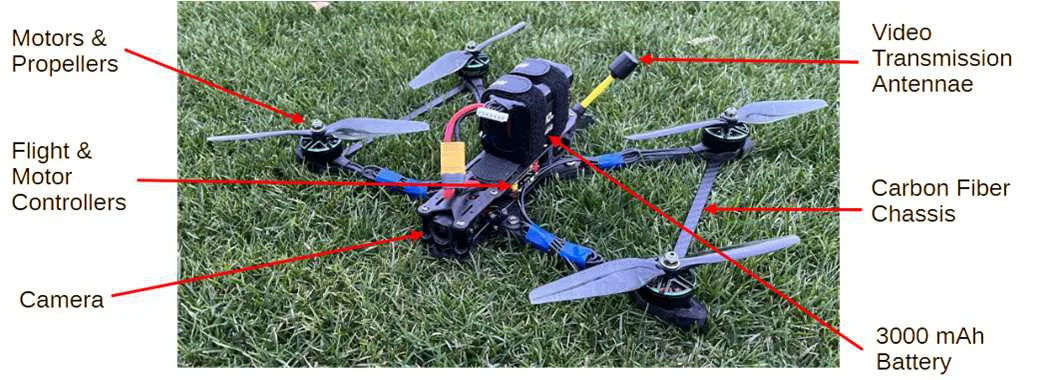
- Frame
- Carbon fiber chassis with 3D-printed TPU parts
- Propulsion
- Four 1500 kV brushless motors, 60 A ESC, 3000 mAh battery
- Electronics
- Flight controller, GPS, DJI O3 video transmission
- Onboard compute
- Raspberry Pi 5 for real-time inference
- Autonomy
- Point-to-point waypoint routes planned in Litchi
- Field tests
- Clear close-up leaf images even in light rain and clouds; 27 min max flight
Dataset and model
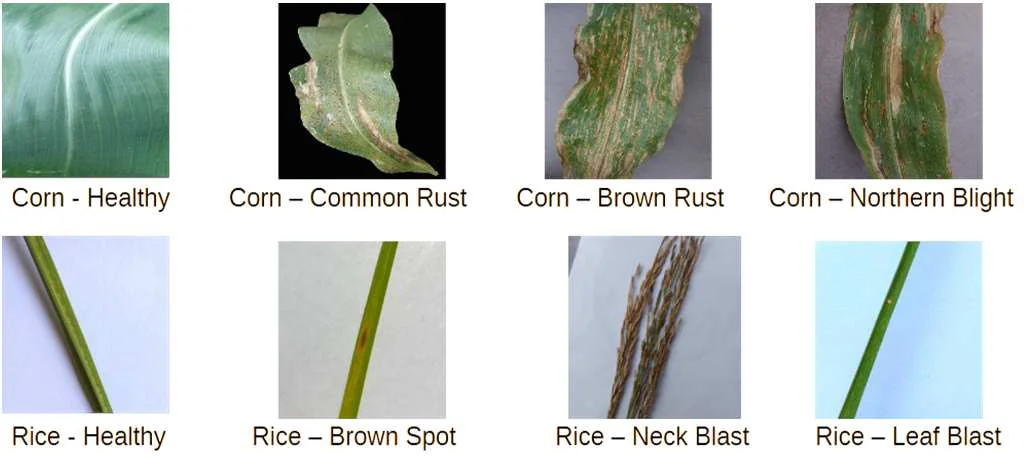
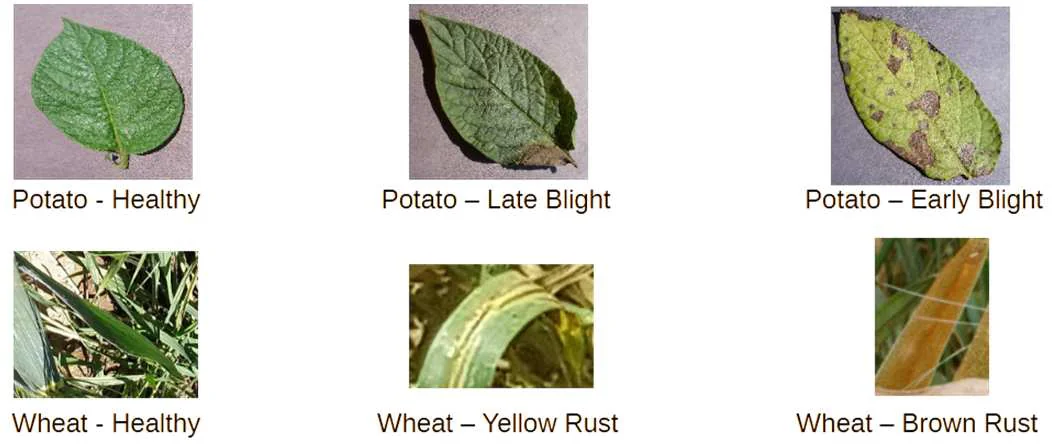
- 13,024 labeled leaf images (public Kaggle data plus drone captures), split 80/20: 10,426 train, 2,598 test.
- 14 classes: a healthy class plus 2–3 diseases for each crop.
- PyTorch CNN: three convolution + ReLU + max-pooling blocks on 128×128 images, a fully connected layer and softmax. About 5.6M parameters.
CPU vs. GPU training
Trained on UT Dallas's Ganymede2 cluster, once on an AMD EPYC 7453 CPU and once on an Nvidia H100 GPU. The GPU finished 488% faster (2,405 s vs 14,153 s) while running 67% more epochs.
| Epochs | Training time | Train acc. | Test acc. | |
|---|---|---|---|---|
| AMD EPYC 7453 (CPU) | 15 | 14,153 s | 85% | 76% |
| Nvidia H100 (GPU) | 25 | 2,405 s | 89% | 71% |
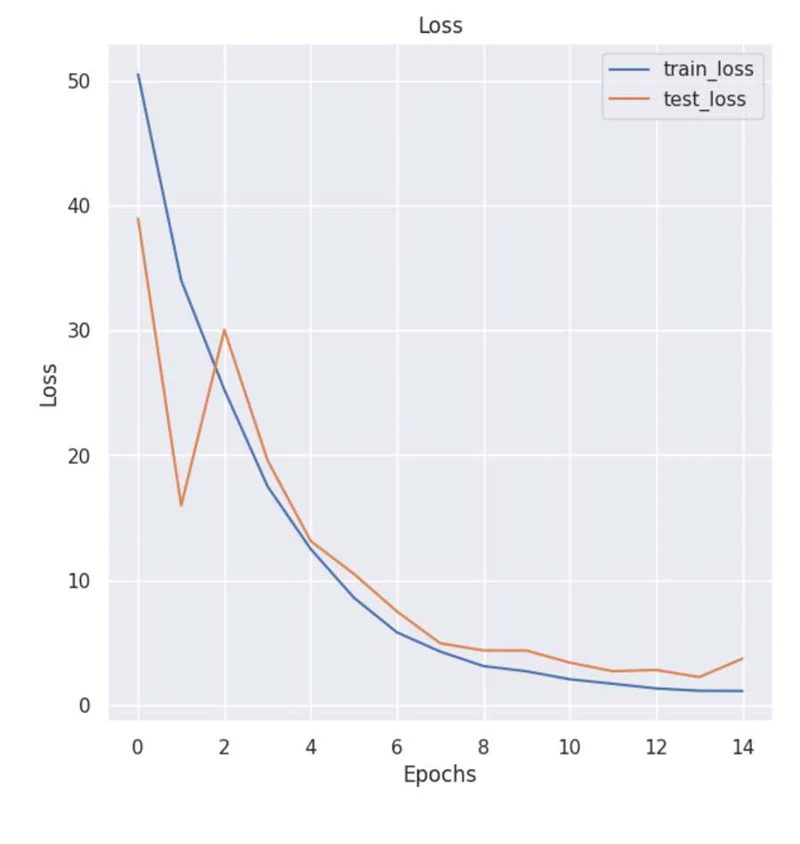
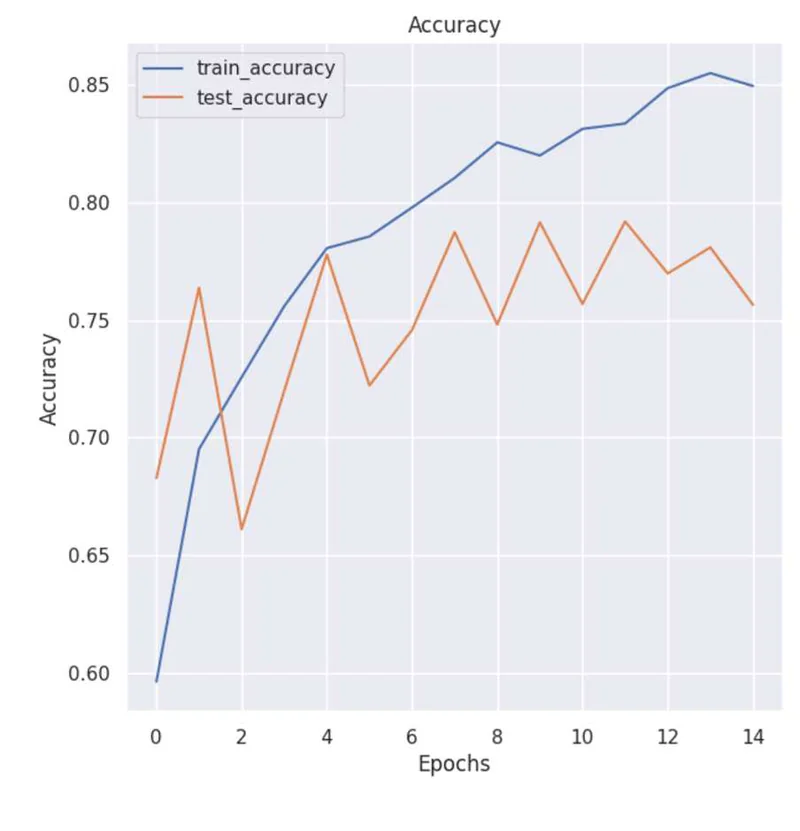
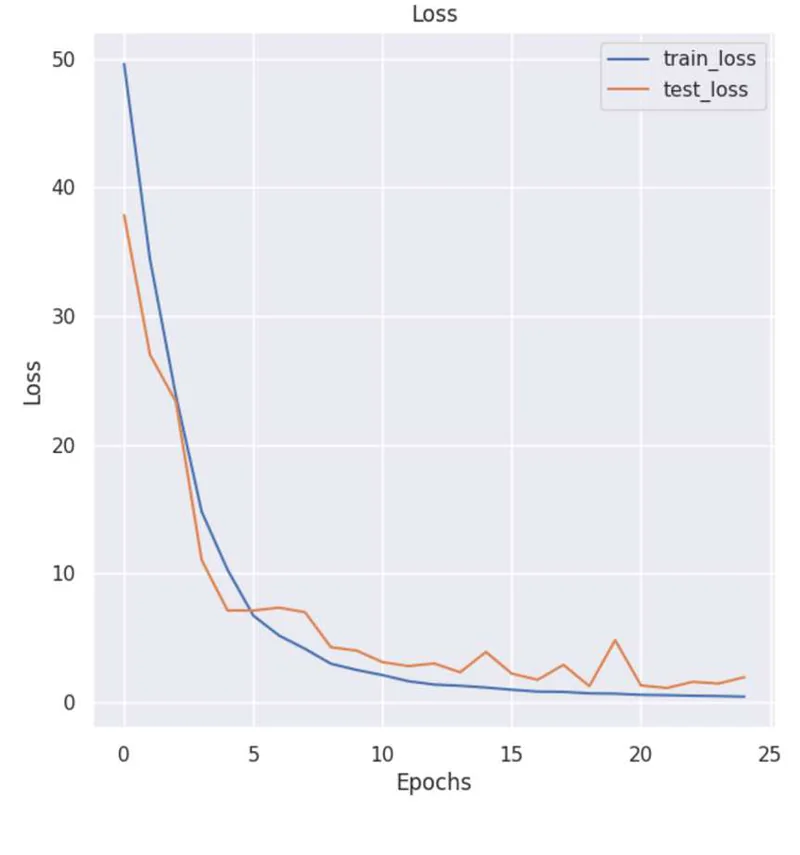
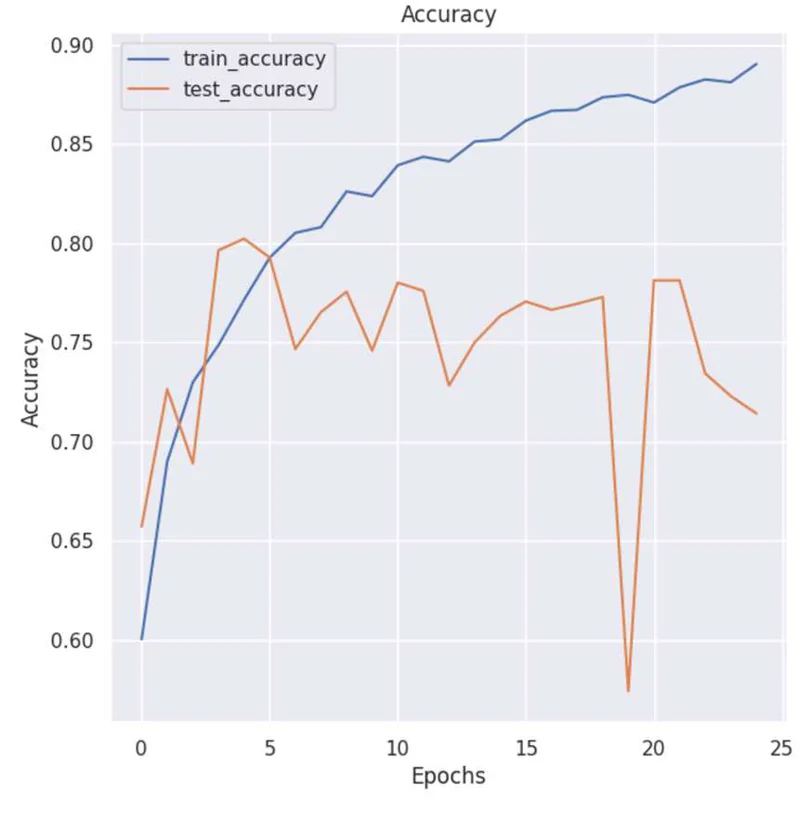
The longer GPU run started to overfit (higher train, lower test accuracy). Its speed leaves room for more data and a deeper model.
Results by disease
75–95% accuracy for most classes. Rice was the exception: its thin leaves give fewer visible features and are easily hidden in the frame. Neck blast, which leaves clearer marks, was still detected well.
| Crop | Class | CPU model | GPU model |
|---|---|---|---|
| Corn | Healthy | ||
| Common Rust | |||
| Gray Leaf Spot | |||
| Northern Leaf Blight | |||
| Potato | Healthy | ||
| Early Blight | |||
| Late Blight | |||
| Rice | Healthy | ||
| Brown Spot | |||
| Leaf Blast | |||
| Neck Blast | |||
| Wheat | Healthy | ||
| Brown Rust | |||
| Yellow Rust |
Detection pipeline
- Fly
- Autonomous waypoint route over the field, recording video
- Train
- CNN trained on HPC, then exported for offline use
- Detect
- Inference on the Raspberry Pi 5 or in the cloud (AWS) flags healthy vs. diseased plants
Acknowledgments
Thanks to the UT Dallas High Performance Computing Center and its researchers for feedback and for compute time on Ganymede2.